In a well-appointed home, the glow of a single hand-cut crystal centerpiece can transform a room’s atmosphere-its facets scattering light with an intensity nearly 35% greater than ordinary glass. That luminous quality isn’t just decorative; it’s a hallmark of heritage, precision, and artistry. For those drawn to the world of fine glassware, collecting crystal goes beyond aesthetics. It’s about preserving craftsmanship, understanding materials, and curating objects that carry both history and brilliance. Whether you’re starting your first set or expanding a lifetime collection, knowing how to identify, care for, and value these pieces is essential.
Comparing crystal types and manufacturing standards
The foundation of any serious collection lies in understanding what sets true crystal apart from standard glass. At the heart of this distinction are the materials used, the methods of creation, and the sensory experience they offer. One key factor is whether a piece is hand-blown or machine-made-a choice that affects not only appearance but also value and durability.
Hand-blown vs. machine-made precision
Master glassmakers shape hand-blown crystal using techniques passed down for centuries. Each piece carries subtle variations-thinner walls, balanced stems, and a refined mouthfeel-that mass-produced items simply can’t replicate. For connoisseurs seeking to elevate their tasting rituals, selecting fine crystal wine glasses remains the ultimate standard in craftsmanship. These are not merely vessels; they are instruments designed to enhance aroma, balance, and acoustic resonance with every toast.
Lead content and refraction indices
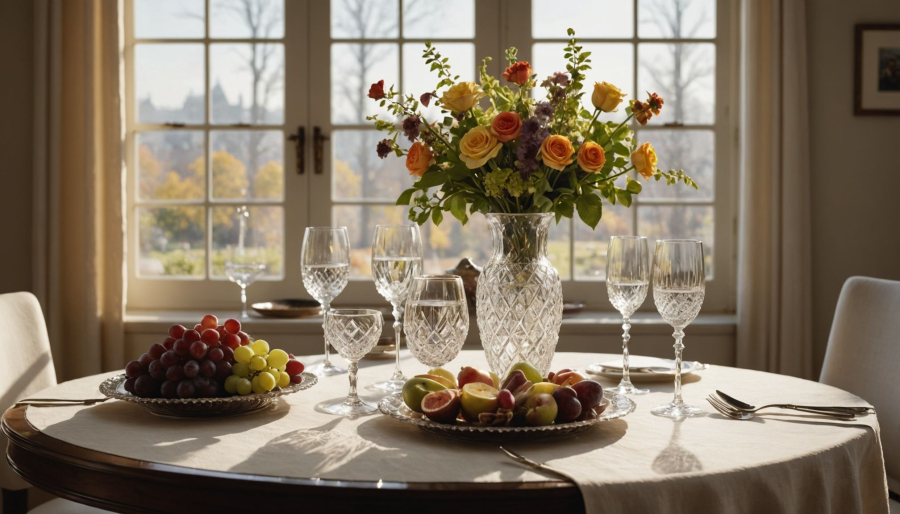
The brilliance of high-end crystal comes largely from its lead oxide content, typically ranging between 24% and 30%. This addition increases density, weight, and the material’s ability to refract light into a spectrum of colors. The higher refractive index gives crystal its signature sparkle-what collectors often describe as “living light.” In contrast, standard soda-lime glass lacks this optical complexity and feels noticeably lighter in hand.
The resonance test for authenticity
A simple yet revealing method for identifying genuine crystal is the ring test. Gently tap the rim with a fingertip or metal utensil: authentic crystal emits a clear, sustained tone that can last several seconds. Glass, by comparison, produces a short, dull clink. This resonance isn’t just pleasing-it reflects the material’s homogeneity and structural integrity, qualities prized by serious collectors.
| Type | Refractive Index | Weight (Relative) | Sound Profile | Artisanal Value |
|---|---|---|---|---|
| Lead Crystal | High (>1.545) | Heavy | Long, clear ring | Premium |
| Crystal Glass (low-lead) | Moderate (~1.520) | Medium | Medium resonance | Mid-tier |
| Standard Soda-Lime Glass | Low (~1.500) | Light | Short, dull thud | Functional |
Key identification methods for crystal glassware collectors
Authenticity is everything in collecting. While some pieces shout their pedigree, others require a trained eye and a bit of patience. Recognizing the hallmarks of quality-especially on older or unsigned items-can mean the difference between a valuable heirloom and a common replica.
Reading acid marks and signatures
Many heritage manufacturers used acid-etched signatures, discreetly placed on the base or foot of a piece. These marks often include the brand name, country of origin, and sometimes a date code. However, not all antique crystal bears visible logos. Earlier pieces, particularly from the 18th and 19th centuries, relied more on distinctive patterns than stamped identifiers. A magnifying glass can help reveal faint etchings obscured by time or polish.
Observing cut and etched patterns
Hand-cut crystal features sharp, clean facets with consistent depth and symmetry-each cut made deliberately by a master craftsman. In contrast, machine-molded glassware shows rounded edges and visible mold lines where the two halves of the mold met. These seams, often running vertically along the bowl, are a dead giveaway of industrial production. True artistry lies in the precision of the cut: a hallmark of hand-blown craftsmanship that enhances both visual and tactile appeal.
- Look for acid-etched marks on the base or stem
- Examine the sharpness of facets-hand-cut vs. molded
- Check for mold seams, which indicate machine production
- Compare weight and clarity against known reference pieces
Preserving the brilliance of your collection
Even the finest crystal can lose its luster without proper care. Environmental stressors, improper cleaning, and careless storage all contribute to gradual deterioration. Protecting your pieces isn’t just about aesthetics-it’s about maintaining their structural integrity and long-term value.
The risks of thermal shock
Sudden temperature changes are among the greatest dangers to crystal. Going from ice-cold liquid to hot water-or vice versa-can cause microfractures that weaken the glass over time. These tiny cracks may not be visible at first but can lead to cloudiness or even shattering. Always use liquids at moderate temperatures, and avoid serving steaming drinks in crystal vessels unless specifically designed for it.
Proper storage and spacing
Stacking stemware is a common mistake. Even with felt protectors, friction between glasses can cause scratches or chips. The best practice is to store pieces upright in a dedicated cabinet lined with soft material. If space is limited, consider using individual sleeves or dividers. Keep them away from direct sunlight and humidity, which can encourage surface etching or cloudiness due to mineral deposits.
Valuation factors for antique glassware
Determining value isn’t just about age-it’s a balance of condition, rarity, provenance, and market demand. Some patterns and periods command premium prices, while others, though beautiful, remain more accessible to new collectors.
Assessing condition and rarity
Even minor flaws can significantly affect worth. “Flea bites”-tiny chips along the rim-or internal cloudiness from improper washing reduce desirability. On the other hand, limited-edition patterns, especially those produced by renowned houses, often appreciate in value. Pieces from the mid-20th century, particularly those with bold geometric cuts, are seeing renewed interest among modern decorators who blend vintage elegance with contemporary design.
Market trends in vintage crystal
Today’s interior trends favor curated eclecticism. While classical French cuts remain timeless, there’s growing demand for mid-century modern designs-clean lines, angular facets, and experimental forms. Colored crystal, once considered niche, is now sought after for its vibrancy and uniqueness. This shift has brought renewed attention to rare tints like amethyst, topaz, and emerald, especially in hock or flute shapes that stand out on display.
Expert care for crystal cleaning
Maintaining crystal’s clarity requires discipline and the right technique. Every step matters-from water temperature to drying method. The goal isn’t just cleanliness, but the preservation of the glass’s optical and structural properties.
- Use lukewarm water with a mild, non-abrasive detergent-hot water risks thermal shock
- Avoid the dishwasher entirely; harsh detergents and high heat cause irreversible etching
- For stubborn lime deposits, a brief soak in diluted acetic acid (white vinegar) helps dissolve residue
- Dry immediately with a lint-free linen cloth to prevent water spots and maximize shine
- Polish with two cloths: one to dry, the second to buff out fingerprints and enhance brilliance
Common collector questions
Can I use a dishwasher for vintage crystal if it has a delicate cycle?
No. Even on gentle settings, dishwashers expose crystal to high temperatures, alkaline detergents, and mechanical agitation. These conditions cause microscopic etching that clouds the surface over time-a process that cannot be reversed. Handwashing remains the only safe method for preserving long-term clarity and value.
How do I distinguish between a hand-cut wheel mark and a mold line?
Hand-cut marks appear as fine, sharp grooves with consistent depth, following the contour of the design. Mold lines, in contrast, are smooth, raised ridges where the mold halves joined. They often run vertically and lack the precision of manual engraving. Tactile inspection with a fingertip can usually confirm the difference.
Is crystal without a visible signature still valuable?
Absolutely. Many 18th and 19th-century pieces were not signed but identified by pattern, cut style, or regional characteristics. Expert collectors rely on comparative analysis and historical references to attribute unsigned works. In some cases, the absence of a mark doesn’t diminish value-especially if the craftsmanship is exceptional.
Are colored crystal pieces becoming more popular in modern decor?
Yes. Colored crystal, particularly in vibrant hues like ruby, cobalt, and amber, is experiencing a resurgence. Designs such as hocks and cased crystal are favored in contemporary interiors for their boldness and artistic flair. Their rarity and visual impact make them stand out in both private collections and styled spaces.
How often should I rotate my crystal displayed in a cabinet?
It’s wise to inspect and clean displayed pieces every few months. Dust accumulates and, combined with ambient humidity, can create a slightly acidic film on the surface. Regular rotation allows for thorough cleaning and helps prevent long-term clouding. Use soft gloves and a dry microfiber cloth to avoid oils and scratches.
